
Build Your KCNA2Care Team
The right care team will help you navigate treatments, therapies, and daily life, step by step.
Finding The Right Support For Your Family
Your child or loved one’s care team begins with you.
Below you’re going to find all the details that make up a care team. Pick and choose what you need based on your individual situation. The goal is that you have a care plan independent of any one practitioner that you can carry with you as your child and loved one grows and life transitions happen.
Managing KCNA2 isn’t something any family should have to do alone. But you don’t want to (and your really can’t) build it all at once. Individual needs will evolve, and so will your support network.
Here’s how to think about building a care team, without getting overwhelmed.
Start With The Essentials
At the core of your loved one’s care will be specialists who understand KCNA2 and can help guide treatment:
- Neurologist or Epileptologist – Manages seizures and medications.
- Geneticist – Helps interpret genetic results and what they mean for treatment.
- Developmental Pediatrician – Supports growth, learning, and medical needs.
From here, you’ll add specialists based on specific challenges.

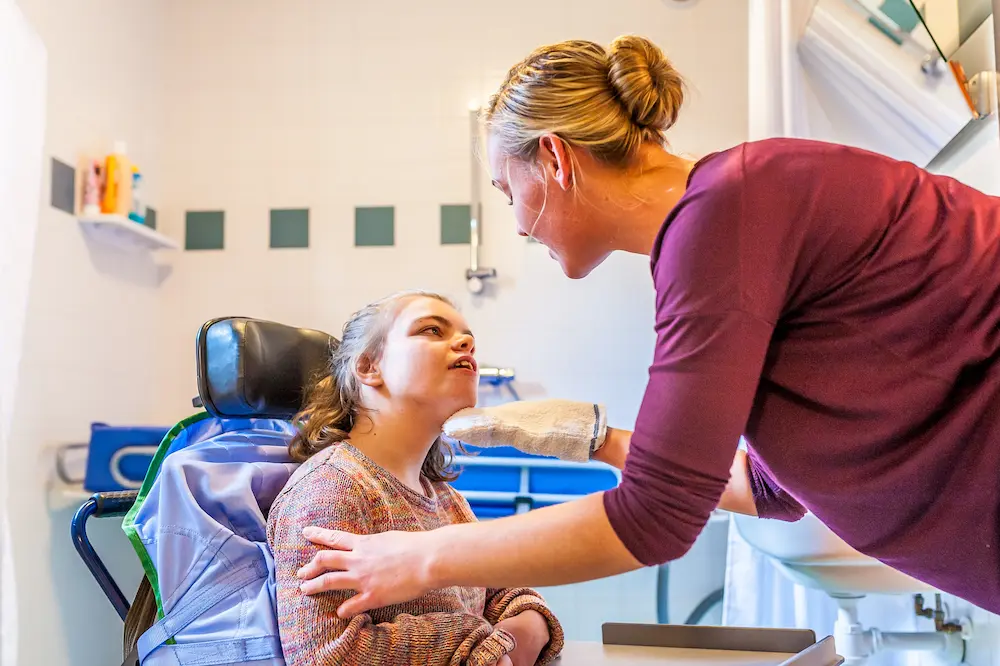
Add Therapies That Support Growth & Daily Life
KCNA2 can affect movement, speech, and coordination. Therapy can help:
- Speech Therapy – For communication, feeding, or language delays.
- Occupational Therapy (OT) – For motor skills, sensory issues, and everyday activities.
- Physical Therapy (PT) – For balance, strength, and coordination.
- Applies Behavior Analysis (ABA) or Behavioral Therapy (if autism traits or behavioral challenges arise).
Real talk: You don’t need to do all of this at once. Start where the individual needs the most help, then build from there.
Consider Additional Support As Needs Arise
Depending on how KCNA2 affects your child, you may need:
- Gastroenterologist & Nutritionist (if feeding or digestion issues come up)
- Sleep Specialist (if sleep disturbances are a challenge)
- Endocrinologist (if metabolic concerns arise)
- Neuromuscular Specialist (for patients with mobility and muscle tone issues)
- Home Health Nurses, Aides, or School Support Staff (for daily care needs)


You Matter Too. Care For The Whole Family
Caring for a child or loved one with KCNA2 can be all-consuming, but you and your family’s well-being matter too.
- Parent Support & Mental Health – Connecting with other parents or seeking counseling can help.
- Sibling Support – Kids may have big feelings about having a sibling with extra needs. Books, sibling groups, or special time together can help.
- Respite Care – Whether through family, friends, or professional services, taking breaks is essential for your well-being.
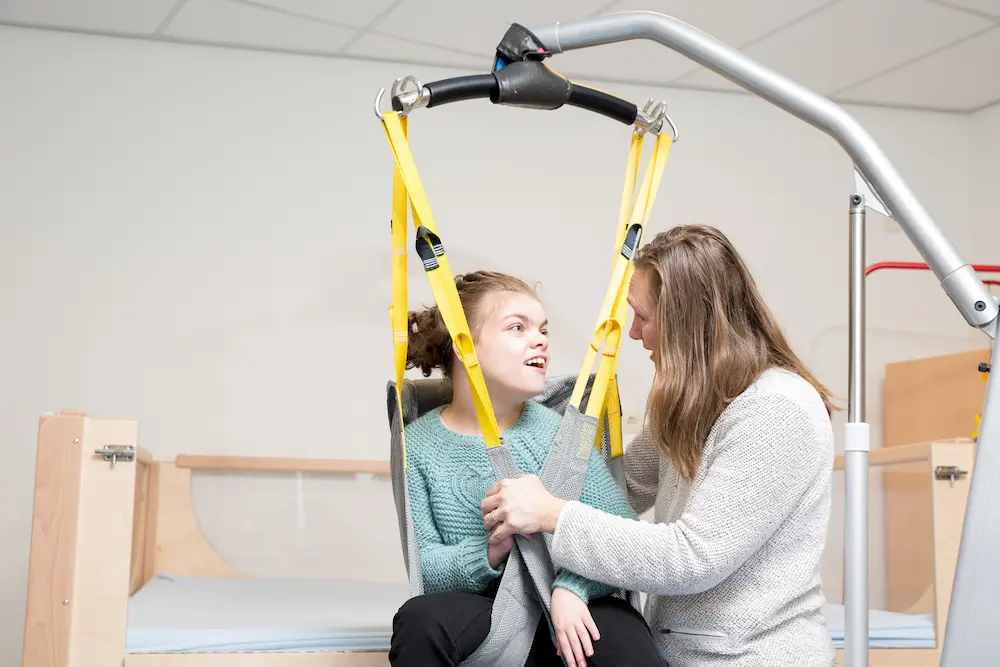
When Care Is Complex
Sometimes KCNA2 brings complex needs. Your loved one may need ongoing support for seizures, sleep, breathing, feeding, or mobility. In these cases, you may work with a palliative care team.
Palliative care focuses on comfort, coordination, and quality of life. That might include managing pain, improving sleep, supporting feeding and digestion, helping with equipment, and guiding emotional well-being, for your child and for your whole family.
When your loved one needs constant care 24/7, it’s easy to feel isolated. There are many professionals who understand what you’re facing and how to help.
Now let’s consider more specific age-based considerations for kids with KCNA2 that may show up as they grow.
Age-Based Considerations
Growing with KCNA2
Infants and toddlers (0-3)
- Focus: Diagnosing, understanding seizures, early therapy.
- Your Team: Neurologist, geneticist, early intervention (PT, OT, speech).
- Biggest Challenges: Learning about KCNA2, finding the right therapies, handling medical appointments.
- Applies Behavior Analysis (ABA) or Behavioral Therapy (if autism traits or behavioral challenges arise).
Preschool and elementary (4-10)
- Focus: Building independence, school supports, social skills.
- Your Team: Therapists, special education teacher, IEP team, possible aides or school nurse.
- Biggest Challenges: Navigating the school system, supporting communication, balancing therapies with everyday childhood.
Middle and high school (11-18)
- Focus: Self-advocacy, real-world skills, transitioning from child to teen care.
- Your Team: Social workers, vocational training programs, transition specialists, mental health support.
- Biggest Challenges: Preparing for life beyond structured school environments, supporting mental health, developing independence.
Adulthood and beyond (18+)
- Focus: Independence, employment, community integration.
- Your Team: Job coaches, independent living specialists, continued therapy.
- Biggest Challenges: Planning for adulthood, social support, long-term care considerations.
Your Team Will Change & That Is Expected & Okay
You may start with just one or two providers, then add more as you go. Your child’s and your family’s needs will evolve, and your team will too as they shift hospitals or change their career paths. The best approach is one that works for your family, at your pace, when your loved one needs that particular level of care.
It’s okay to feel overwhelmed. You’re showing up every day and doing an amazing job.
Creating Your Health Care Team FAQ’s:
How do I find the right medical specialists?
Start with your child’s primary doctor or neurologist for referrals. Ask other parents in the KCNA2 support groups, and check specialist directories like the American Academy of Pediatrics or the Child Neurology Foundation.
How do I coordinate multiple specialists without feeling overwhelmed?
Keep a medical binder (digital or physical) with appointment notes, medications, and reports. Ask if a case manager or care coordinator is available through your child’s medical provider or insurance.
What should I look for in an Occupational Therapist (OT), Physical Therapist (PT), Speech Language Pathologist (SLP), or Applied Behavior Analysis (ABA)?
Look for experience with complex neurological conditions.
Ask about their approach, success stories, and check specialist directories like The Academy of Pediatric Physical Therapy, ASHA, and Applied Behavior Analysis.
How do I advocate for home health support (aides, nurses)?
Request an evaluation through your insurance provider, Medicaid waiver programs, or your child’s medical team. Document daily challenges that show the need for extra care.
In common epilepsy, medication can often allow people to live a seizure-free life. In KCNA2 epilepsy, seizure control varies widely depending on the type of variation. Some people, especially those with LOF variants, may become seizure-free or have seizures well controlled with medication.
Others, particularly with GOF or some GOF+LOF variants, may have seizures that are harder to control and require ongoing medication adjustments, multiple prescriptions, and careful trade-offs between seizure management and side effects.
How do I get my child an IEP or 504 plan?
In the U.S., start by requesting a formal evaluation from your child’s school in writing. This triggers the school’s legal obligation to assess your child’s needs under the Individuals with Disabilities Education Act (IDEA) for an IEP, or Section 504 of the Rehabilitation Act for a 504 plan.
If you’re unsure what your child might qualify for, or if the school’s evaluation isn’t comprehensive, you can also seek a private evaluation from a neuropsychologist, developmental pediatrician, or licensed therapist. These professionals can assess your child’s cognitive, behavioral, and physical needs and may provide documentation to support accommodations or services at school.
Once the evaluation is complete, the school should schedule a meeting with you to review the results and decide what kind of support plan, if any, is appropriate. You have the right to bring a support person or advocate with you to this meeting.
Helpful tip: Keep copies of all reports, letters, and communication. You are your child’s best advocate. In the U.S., there are professionals, parent groups, and advocates who can help you navigate every step.
What accommodations should I ask for in an IEP?
Common supports include extra time on assignments, speech/occupational therapy, sensory breaks, modified workload, one-on-one aides, or assistive technology.
What do I do if the school resists providing support?
Bring documentation from your child’s doctors and therapists. Request a formal IEP meeting and bring an advocate if needed. If disagreements continue, you have legal rights to mediation or due process.
With the right medical care, therapies, and support, many people with KCNA2 can expect to live a full lifespan.
How do I prepare my child for life after high school?
Start early with self-advocacy training, life skills programs, and vocational education. Work with transition specialists to explore job coaching, independent living supports, or college accommodations.
Join our Facebook community to connect with other parents and caregivers.
Sign up for our newsletter to stay updated on research and resources.