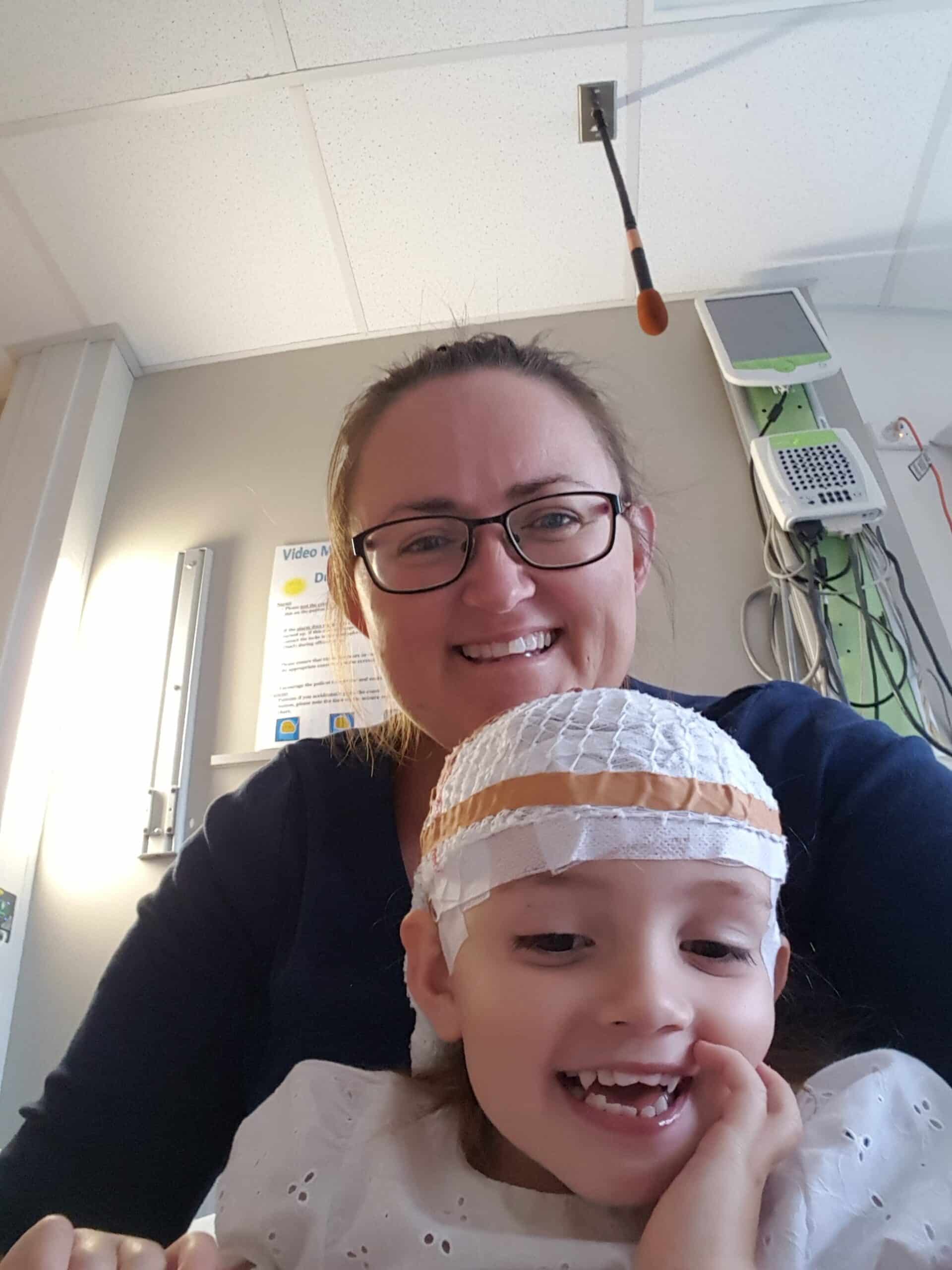
Educating Your Doctor & Treatment Team
Learn more about how KCNA2 impacts the whole body.
Head To Toe
The brain is the command center of the body, and KCNA2 mutations can impact the way signals move between neurons. This can affect everything from movement and coordination to speech, learning, and emotional regulation.
Every child is unique: some experience daily seizures, others struggle with balance or attention, and some face challenges in multiple areas.
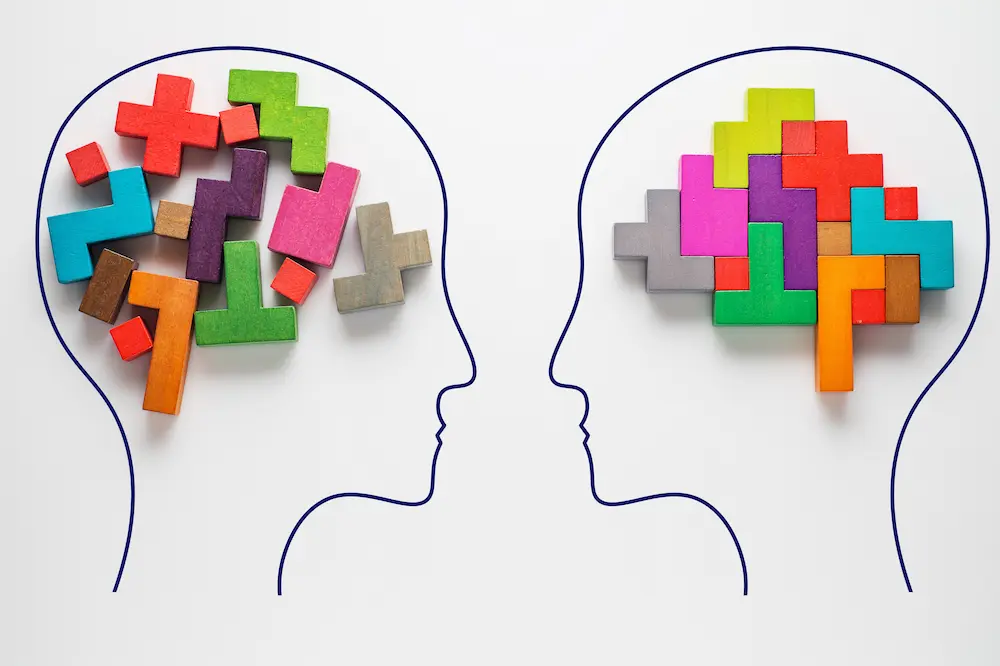
Brain—Seizures & Electrical Activity
For many people with KCNA2, seizures are one of the first signs something concerning is going on. Seizures may happen rarely or frequently, with different types ranging from small muscle twitches to full-body convulsions. When it comes to seizure activity, everyone’s experience is unique. Understanding how the brain and body connect can help in finding the right support.
Things to look out for:
- Seizures can be focal (affecting one part of the brain) or generalized (involving both sides).
- Seizure types may include tonic-clonic (full-body shaking), myoclonic (jerks or twitches), absence (staring spells), or atonic (sudden loss of muscle tone).
- Some experience electrical storms in the brain at night, disrupting sleep and development.
- In some cases, seizures decrease over time, but others may need lifelong management.
Seizure support and care:
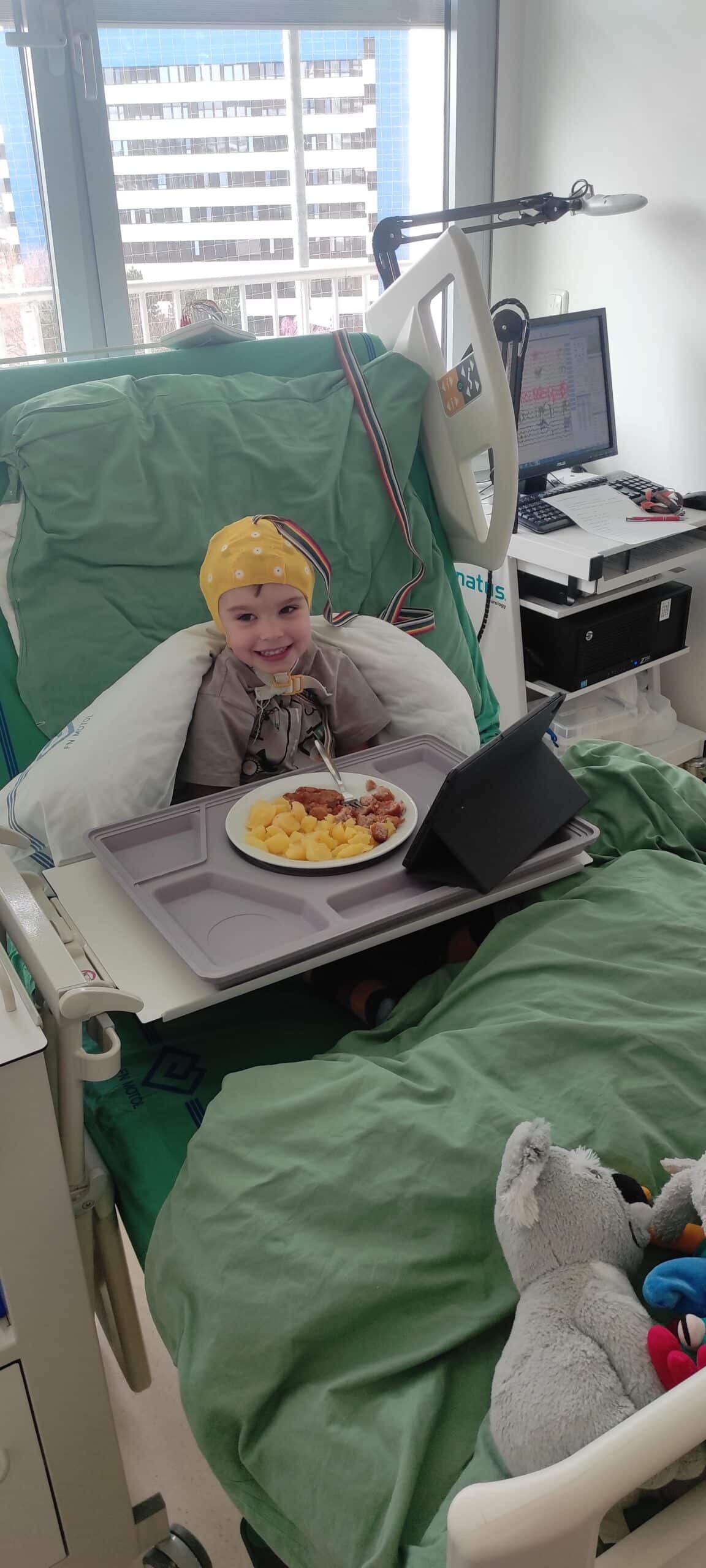
- EEG testing helps track seizure patterns.
- Neurologists or Epileptologists help manage seizures and development.
- Medications, ketogenic diets, and specialized therapies may help reduce seizure frequency.
- A seizure action plan ensures safety at home and school.
Balance, Coordination & Spatial Awareness
Things to look out for:
- Vestibular dysfunction – difficulty with balance, depth perception, and movement coordination.
- Proprioception challenges – trouble sensing where the body is in space, leading to clumsiness or misjudging distances.
- Delayed response to movement – the body may react slower when shifting positions or turning.
- Dizziness or disorientation – fast movements, crowds, or changes in environment may feel overwhelming.
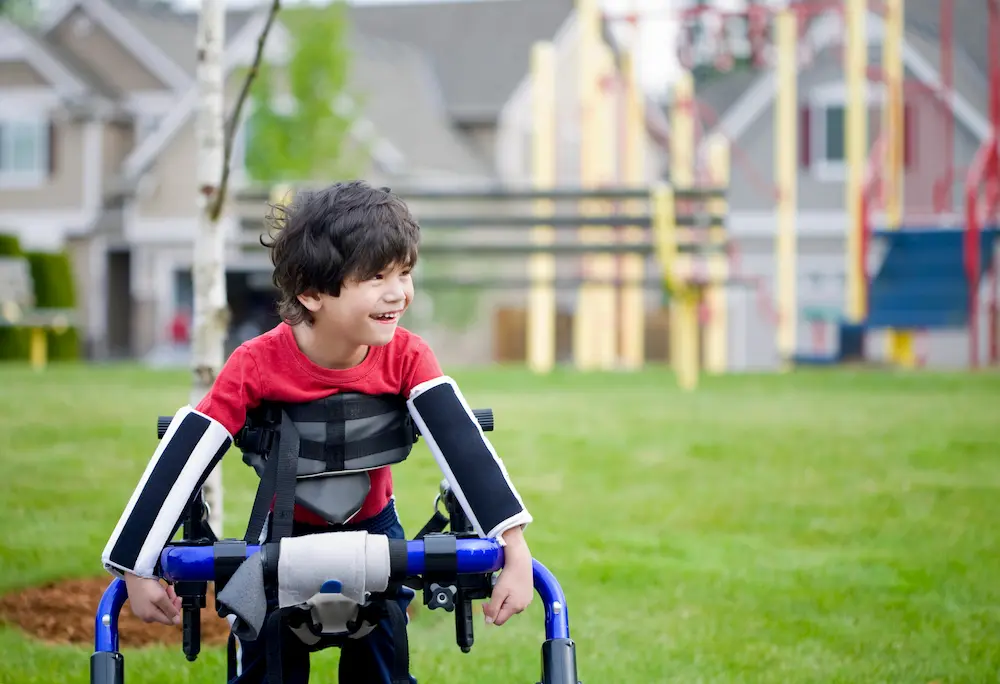

Support and care:
- Physical & occupational therapy can improve balance and coordination.
- Vestibular exercises (rocking, bouncing, or gentle head movements) can help the brain process motion.
- Supportive shoes, weighted vests, or sensory-friendly environments may help with stability.
- Allowing extra time for transitions (standing up, walking, or changing directions) can reduce falls and frustration. Visual supports, like placing colorful dots on stairs to help gauge each step, can also make movement safer and more manageable, especially when paired with handrails or other supports.
Learning, Attention & Cognitive Function
Things to look out for:
- Developmental delays – some kids experience delays in speech, motor skills, or problem-solving.
- Slower memory & processing speed – it may take longer to respond, complete tasks, or absorb new information.
- Executive functioning challenges – planning, organizing, and switching tasks can be difficult.
- Sensory sensitivities – bright lights, loud sounds, or certain textures can make learning environments overwhelming.
- Emotional & behavioral responses – frustration, anxiety, or meltdowns may happen due to cognitive overload.
Support and care:
- IEPs (Individualized Education Plans) help tailor learning to your child’s needs.
- Speech and occupational therapy support communication and daily living skills.
- Predictable routines & visual supports (schedules, checklists, timers) help with focus and transitions.
- Movement or sensory breaks can reduce overload and improve concentration.
- Encouraging effort over speed helps build confidence in learning. Review and repetition are powerful tools, even if a child seems to forget everything one day, they may return to their baseline the next. Don't give up; progress often comes in small, surprising steps.
Sleep & Fatigue
Things to look out for:
- Sleep apnea or shallow breathing – pauses in breathing can interrupt deep sleep cycles.
- Frequent nighttime seizures – can lead to exhaustion and difficulty waking up in the morning.
- Difficulty self-regulating sleep – falling asleep, staying asleep, or waking at unusual hours may be a challenge.
- Daytime fatigue & mood changes – poor sleep can lead to difficulty focusing, irritability, or low energy.

Support and care:
- Sleep studies can assess breathing issues and guide treatment.
- Melatonin or sleep routines may help regulate sleep cycles.
- Weighted blankets, white noise, or sensory-friendly bedtime environments can promote better sleep.
- Tracking sleep patterns can help identify triggers and improve nighttime habits.
- Keeping beds low to the ground can make nighttime safer, helping prevent serious injuries if a child falls during a seizure or while getting up to move around.
Eyes—Vision & Coordination
Things to look out for:
- Struggles with eye tracking – difficulty following a moving object or shifting focus smoothly.
- Light sensitivity – bright lights, screens, or sudden changes in lighting may feel overwhelming.
- Difficulty with depth perception – objects may appear closer or farther than they actually are, making movement and spatial awareness tricky.
- Challenges maintaining eye contact – difficulty coordinating eye muscles can make direct gaze feel uncomfortable or inconsistent, affecting social interaction.
- Weak eye muscle control – challenges moving the eyes inward, outward, up, or down, which can make it harder to focus on objects, follow a moving target, or read smoothly.
- Visual fatigue – the extra effort required to focus may cause eye strain, headaches, or tiredness.


Support and care:
- Vision therapy can help strengthen eye coordination and improve tracking.
- Glasses, tinted lenses, or filters may help with light sensitivity and focus.
- Adjusting classroom seating and font sizes can improve readability and engagement.
- Practicing eye movement exercises can support smoother focus transitions.
Hearing Sensitivities
KCNA2 can make learning feel like a puzzle. Some children grasp certain concepts easily but struggle with focus, memory, problem-solving, or processing new information. These challenges can affect both schoolwork and daily life, making structured support essential.
Things to look out for:
- Heightened sensitivity to sound – certain frequencies, like alarms or voices, may feel painfully loud or overwhelming and your child may instinctively put their hands over their ears to block out the sound.
- Inconsistent reactions to noise – a sound that is tolerable one day may be unbearable the next.
- Difficulty filtering background noise – busy places, like classrooms or restaurants, may be overstimulating.
- Sound-induced distress – loud environments can be so overwhelming that functioning becomes difficult.
Support and care:
- Noise-canceling headphones or earplugs can help tone down overwhelming sounds.
- Quiet, low-stimulation environments provide relief when sensory overload happens.
- Speech therapy or auditory integration therapy may help with processing sound more comfortably.
- Predictable routines can reduce stress related to unexpected noises.

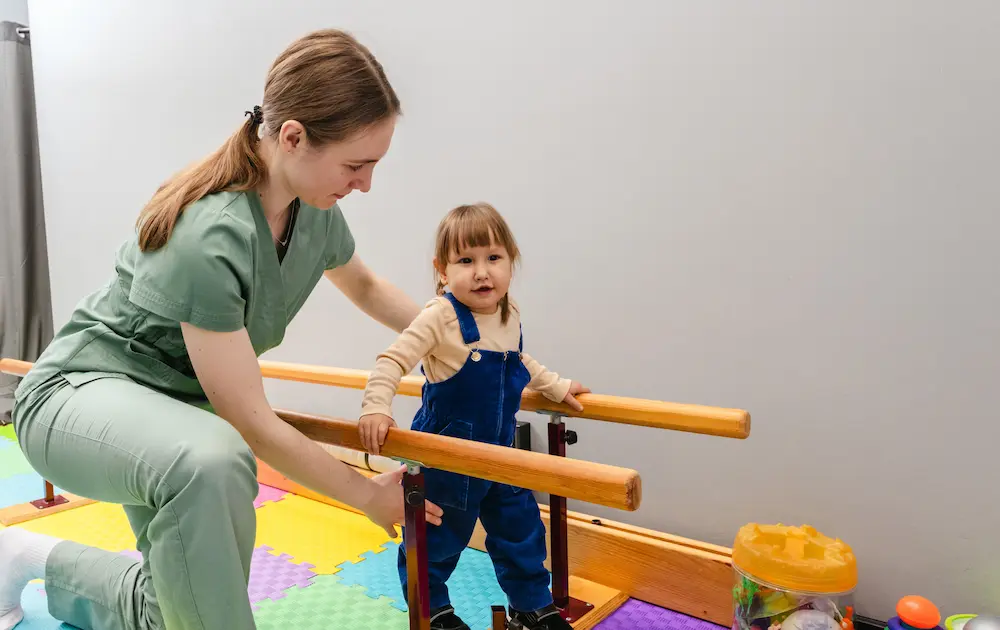
Ears—Vestibular Connection & Balance Challenges
Because the vestibular system is part of the inner ear, KCNA2-related hearing challenges may also affect balance and coordination.
Things to look out for:
- Difficulty with sudden movements – spinning, quick turns, or unexpected motion may cause dizziness.
- Unsteady walking or standing – trouble maintaining balance in new environments.
Support and care:
- Audiologists or vestibular specialists can assess inner ear function.
- Sensory supports (handrails, stable surfaces, or grounding techniques) may help with stability.
Speech (Communication & Language Challenges)
Things to look out for:
- Difficulty pronouncing words – weak muscle control can make certain consonants harder to say.
- Speech delays – some children may take longer to form words or sentences.
- Inconsistent speech clarity – some days, words come out more clearly than others.
- Language processing challenges – cognitive delays may make it harder to understand or use language fluently.
Support and care:
- Speech therapy can improve pronunciation, language development, and muscle coordination.
- Alternative communication methods (AAC devices, sign language, or picture boards) may help.
- Structured routines and repetition can support language learning. Singing with your child, and encouraging them to sing back what they want to say, can make practicing language fun and engaging.
Throat & Swallowing (Eating & Digestion Challenges)
Swallowing can be difficult for those with KCNA2 due to weak muscle control. Some individuals struggle with certain foods or liquids, while others may need feeding tubes for safety. Reflux is also common, which can cause discomfort or difficulty keeping food down.
Things to look out for:
- Dysphagia (swallowing difficulties) – some children may choke or cough when eating.
- Risk of aspiration – food or liquid may go down the wrong way, increasing the risk of respiratory infections.
- Reflux or GERD – stomach acid may come back up, causing discomfort.
- Feeding challenges – some children need softer foods, thickened liquids, or tube feeding.
Support and care:
- Feeding therapy can help improve swallowing safety.
- Modified diets (pureed foods, thickened liquids) can make eating safer and easier.
- Reflux medications or positioning strategies (like keeping the head elevated after eating) may reduce discomfort.
- Gastroenterologists and feeding specialists can provide additional support if a feeding tube is needed.
Hands (Fine Motor Skills & Daily Tasks)
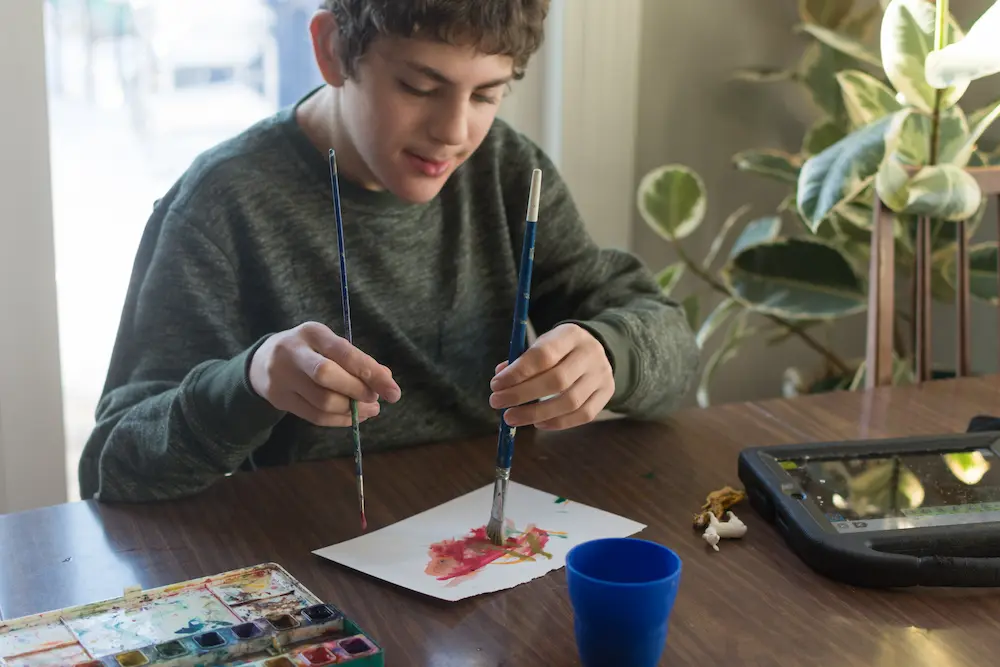
KCNA2 can make everyday hand movements like writing, using utensils, or buttoning a shirt more challenging. The brain may struggle to send the right signals to the hands, leading to tremors, uncoordinated movements, or muscle fatigue. Some people need extra time to complete fine motor tasks, while others benefit from adaptive tools or therapy.
Things to look out for:
- Weak grip strength – holding a pencil, spoon, or toy may feel difficult.
- Hand tremors or uncoordinated movements – small tasks like buttoning a coat or zipping a backpack may take longer.
- Fatigue when doing fine motor tasks – writing or coloring may be exhausting after a short time.
- Inconsistent control – some days, tasks feel easier than others, depending on fatigue or focus.
- Involuntary hand movements – the hands may shake, or fingers may move without control.
Support and care:
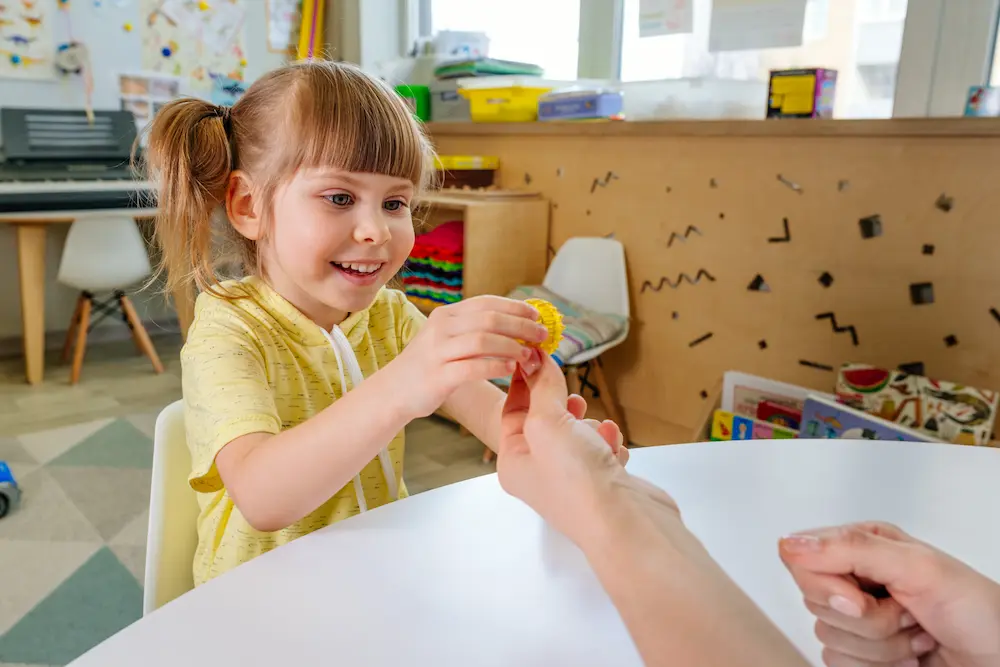
- Occupational therapy can help strengthen hand muscles and improve coordination.
- Adaptive tools – grippy utensils, weighted pens, Velcro shoes, or zipper pulls can make daily tasks easier.
- Hand-strengthening activities – playdough, tweezers, or squeezing stress balls can help build grip strength.
- Slow, steady practice – breaking tasks into smaller steps and using patience helps build confidence.
- Rest breaks – frequent breaks during fine motor tasks can prevent frustration and fatigue.
Trunk & Core (Balance, Strength & Ataxia)
Things to look out for:
- Unsteady or wobbly movements (ataxia) – balance and coordination may be difficult.
- Difficulty sitting upright or maintaining good posture – weak core muscles may make it hard to sit without support.
- Low muscle tone (hypotonia) – muscles feel weak or floppy, making movement slower or more tiring.
- Stiff or rigid movements (hypertonia) – muscles may feel tense, making controlled movement more difficult.
- Involuntary movement (dystonia & myoclonic activity) – sudden jerks, muscle contractions, or repetitive movements may occur.
- Spastic quadriplegia – in some cases, muscle tightness and weakness affect all four limbs, as well as the trunk and face.
Support and care:
- Physical therapy helps improve core strength, coordination, and stability.
- Adaptive seating, braces, or supportive devices can assist with posture and comfort.
- Occupational therapy helps with transitions between sitting, standing, and movement-based tasks.
- Stretching & positioning strategies can help reduce muscle stiffness and promote movement.
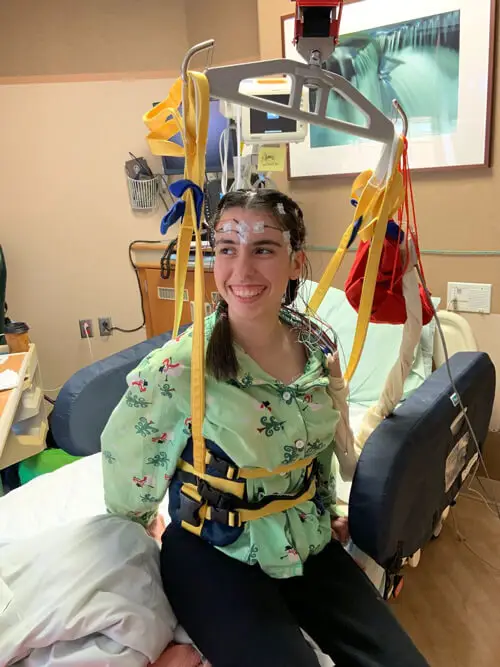
- Mobility aids (walkers, wheelchairs, supportive harnesses) may be helpful for children with significant motor challenges.
Lungs & Breathing (Respiratory Challenges & Support)
Breathing is something we don’t usually think about, but for those with KCNA2, the muscles that control breathing may not work as efficiently. Some experience shallow breathing, sleep apnea, or difficulty coordinating breath support, which can affect energy levels, sleep, and overall well-being.
Things to look out for:
- Shallow or irregular breathing – breathing may be slow, weak, or uncoordinated.
- Sleep apnea – pauses in breathing during sleep may lead to restless nights or daytime fatigue.
- Respiratory infections – difficulty clearing mucus or shallow breathing can make children more prone to infections.
- Sleep environment safety – keeping cribs and beds clear of extra blankets, stuffed animals, or toys can help reduce the risk of breathing obstructions, especially for infants and young children.
Support and care:
- Sleep studies can assess breathing challenges and guide treatment options.
- Pulmonologists & respiratory therapists can provide strategies to support lung health.
- Positioning and breathing exercises may improve breath control.
- Humidifiers and airway clearance techniques can help reduce respiratory infections.
- Camera or breathing monitors can provide peace of mind by allowing caregivers to observe breathing patterns during sleep.

Digestion & Gut Health (Gastrointestinal Challenges)
Things to look out for:
- Reflux (GERD) – acid from the stomach may flow back into the esophagus, causing discomfort.
- Constipation – reduced movement and muscle tone can slow digestion.
- Difficulty swallowing (dysphagia) – weak throat muscles may make eating and drinking harder.
Support and care:
- A gastroenterologist can help manage reflux, constipation, and other digestive concerns.
- Hydration and fiber-rich diets can support regular digestion.
- Positioning strategies after meals can help reduce reflux symptoms.
- Feeding therapy can improve swallowing safety if needed.
Hips & Lower Body (Joint & Mobility Challenges)
Hips provide stability and movement, but KCNA2 can impact muscle tone, joint alignment, and mobility. Some individuals may develop hip dysplasia (misalignment of the hip joint), leg weakness, or need mobility aids for support.
Sometimes what you really need is to talk to someone who gets it.
In addition to our private Facebook Parent Support Group, where you can connect with other KCNA2 parents, clinicians, and researchers, we’ve created several more spaces to support you:
Things to look out for:
- Hip dysplasia – the hip joint may not develop properly, affecting movement.
- Weak or tight muscles – leading to instability when sitting, standing, or walking.
- Mobility limitations – some children may need walkers, braces, or wheelchairs.

Support and care:
- Physical therapy & orthopedic specialists can help assess joint function.
- Bracing or orthopedic supports may help with stability.
- Weight-bearing activities (standing frames, supported walking) can support joint health.
Legs & Feet (Walking, Tone & Mobility Challenges)
KCNA2 can affect leg strength, coordination, and muscle tone, leading to a range of mobility challenges. Some individuals learn to walk independently but may be wobbly. Others have more significant motor challenges, requiring braces, walkers, or wheelchairs to move safely and comfortably.
Things to look out for:
- Gross Motor Delays (delayed walking or difficulty maintaining balance) – some children take longer to stand or walk.
- Hypertonia (tight, stiff muscles) – can cause rigidity, making movement feel restricted.
- Hypotonia (loose, weak muscles) – can make legs feel floppy, leading to instability.
- Feet turning inward (pronation) or outward (supination) – affecting balance and gait.
- Toe-walking or difficulty placing feet flat – due to muscle tightness or poor coordination.
- Contractures (tightened muscles that limit movement) – may develop over time.
- Fatigue or discomfort – walking or standing may take more effort, leading to quicker exhaustion.
Support and care:
- Physical therapy can help build strength, improve movement, and stretch tight muscles.
- Braces, orthotics, or mobility aids (walkers, standers, wheelchairs) support safe movement.
- Regular stretching & positioning therapy can help prevent stiffness and contractures.
- Supportive shoes or custom orthotics can improve foot alignment and comfort.
- Hydrotherapy or weight-supported treadmill therapy may help strengthen muscles in a low-impact way.
Ready To Make An Impact?
KCNA2 Epilepsy Foundation | A 501(c)(3) nonprofit organization