What We Know About How Food, Supplements, Sleep & Therapies Affect KCNA2-Related Epilepsy
Real questions. Real patterns. What families are noticing and what you can bring to your care team.
A Note Before We Begin:
This page is not intended as medical advice. It’s a reflection of what KCNA2 families are trying, wondering about, and navigating. Every individual is different.
Please consult your care team before making any changes to your loved one’s care plan, including medications, feeding routines, or supplement use.

You’re Not Alone in Wondering
But many caregivers find themselves asking questions that don’t always have easy answers like:
- Is sleep affecting her seizures?
- Would changing his formula help his behavior?
- Could supplements do something medicine isn’t?
- What foods are good/bad/helpful for decreasing seizures?
- Is melatonin for sleep good/bad?
- And countless others.
These are the kinds of questions families in our community are living with every day. And while science doesn’t yet have a clear roadmap, we believe these questions are worth asking and sharing.
Below, you’ll find stories from KCNA2 families, emerging patterns, and guidance for bringing your observations to your care team.
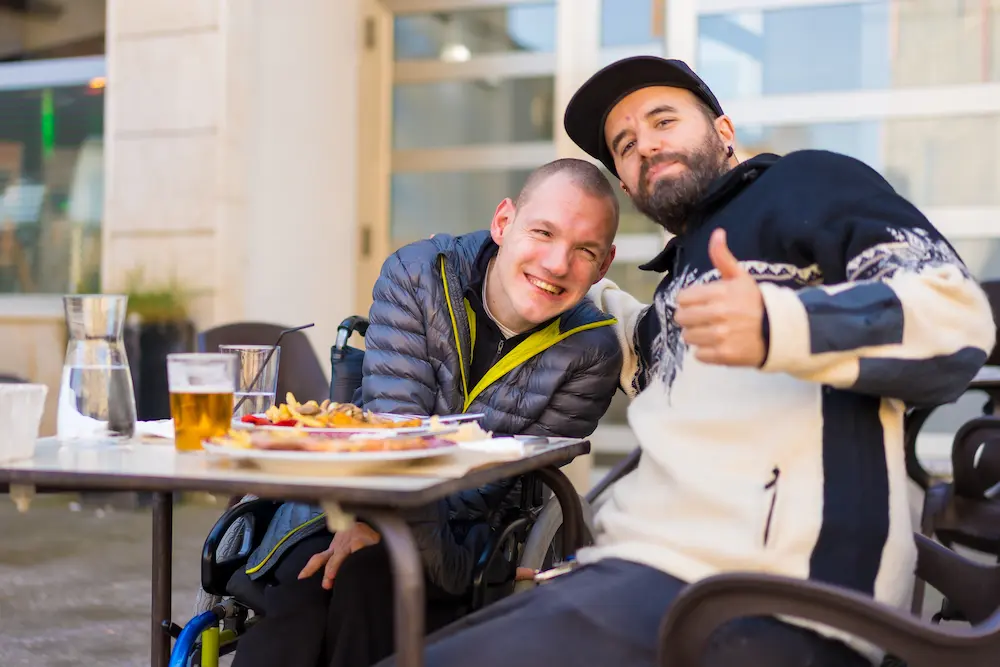

Food Is More Than Just Calories
And many, at some point, experience challenges like:
- Difficulty absorbing enough calories to support growth and energy levels, even when food is offered consistently
- Difficulty swallowing or chewing
- Severe gag reflexes
- Vomiting, reflux, or delayed gastric emptying
- Sensory aversions to texture, temperature, or flavor
“We fought so hard to keep him eating by mouth, but the stress was taking over our days. The feeding tube gave us room to breathe and his body the nutrition it needed.” — A KCNA2 parent
Even among those who eat “normally,” the connection between food and symptoms can feel unpredictable. Some kids have sudden drop-offs in appetite. Others eat but seem less regulated afterward.
A few parents shared how difficult it is to get enough calories into their children each day because their loved ones simply won’t eat, or can’t tolerate enough volume to sustain growth. This challenge can become a major stressor, especially when appetite fluctuates or GI issues get in the way.
What caregivers are trying:
- Whole-food-based formulas (e.g., Nourish, Kate Farms) when feeding tubes are used
- Modified textures and temperatures to reduce sensory overwhelm
- Simple, repetitive meals for predictability
- Elimination diets (gluten/dairy/sugar) when GI issues or behavior shifts arise
- Keto or low-glycemic diets in collaboration with neurologists, especially when seizures are not well controlled
Some families in the broader epilepsy community, and a few within KCNA2 circles, have explored the ketogenic or low-glycemic diet as part of their care plan, especially when seizures remain difficult to control. While not specific to KCNA2, the ketogenic diet has shown benefits in some epilepsy types, and its potential role in managing neurodevelopmental symptoms is still being studied.
To learn more about ketogenic dietary therapy and epilepsy, you can visit The Charlie Foundation.
We encourage you to discuss changes in nutrition, especially restrictive diets, with your primary care physician, neurologist, or dietitian. These choices affect growth, medication absorption, and more.


“We keep a running list of what we’ve tried, what we’ve stopped, what seemed to help. The truth is, most of it feels like trial and error.” — A KCNA2 parent
Some parents notice small gains like calmer mornings, fewer GI issues, and improved sleep. Others aren’t sure what, if anything, changes. Still, many say it gives them a sense of agency in a world where so much feels out of their hands.
To learn more about supplements in epilepsy care, including magnesium, probiotics, and CBD, the Epilepsy Foundation offers regularly updated resources and research summaries, along with parent-friendly guides to understanding integrative treatment options.
Hope & Uncertainty When It Comes To Supplements & Epilepsy
Commonly mentioned:
- Magnesium (for sleep, anxiety, or potential seizure threshold support)
- Omega-3s/fish oil (for inflammation, cognition)
- Probiotics (especially when GI symptoms or antibiotic use are frequent)
- Multivitamins or targeted blends (B vitamins, zinc, vitamin D, etc.)
- Melatonin for sleep
Some families in the broader rare disease and epilepsy communities have also explored CBD, often when seizures are difficult to control or traditional treatments haven’t worked. While none of the families we interviewed are currently using it, it remains a topic of interest in parent forums and integrative care circles.


Sleep: Unpredictable But Important
Sleep, or lack of it, comes up in nearly every KCNA2 story. It’s not only dealing with bedtime routines and family schedules. It’s about chaotic brain activity, medications that disrupt sleep, and bodies that seem to run on entirely different clocks.
Some kids sleep too much. Others can’t seem to fall asleep at all. And many cycle through stretches of good and bad sleep with no clear cause.
Some families connect poor sleep with increased seizure activity. Others say their child can run on no sleep and still have a great day. The patterns often don’t make logical sense and that’s part of the frustration.
What sleep hygiene parents are trying:

Consistent bedtimes
With reduced stimulation in the evenings, temperature control, sensory-friendly pajamas or sheets, and calming rituals.

Sleep medications
Research on antiseizure medications (known as ASMs) indicates an improvement in sleep stability. However, it is challenging to separate their impacts on seizures from their influences on sleep alone. Recently, investigations that specifically analyze this by evaluating ASMs in individuals without epilepsy, have definitively demonstrated that anticonvulsants can either improve or interfere with sleep, regardless of their seizure-related effects.

Melatonin, with caution
Melatonin is often used in neurodivergent children to support sleep, but it’s not universally recommended for epilepsy. Some studies suggest it may reduce seizures; others suggest caution. It’s important to involve your child’s neurologist before starting it.

Acupuncture
Some rare epilepsy families mention acupuncture as a supportive therapy particularly for regulation and sleep. Evidence remains limited, and it's best pursued under medical guidance.

Neurologic Chiropractic Care
Neurologic chiropractic uses gentle, precise adjustments to help the brain and body better communicate. By calming overactive stress responses and supporting the nervous system’s ability to regulate, some families find it also improves sleep—alongside benefits for focus, mood, and overall well-being.

Epsom Salt Baths & Essential Oils
A warm bath with Epsom salts before bed can help relax muscles and support sleep. The magnesium in the salts absorbs through the skin, and adding a few drops of calming essential oils to the water may enhance the soothing effect.


To learn more about nocturnal seizures and brain activity during sleep, visit the Epilepsy Foundation’s overview of nocturnal seizures.
Our board also works closely with academic institutions and other parent advocacy organizations focused on rare epilepsies, creating a strong network of support and innovation. Every member serves on a voluntary basis, driven by their commitment to supporting families and educating communities around the world about KCNA2.
If you are inspired to join us in this mission, we’d love to hear from you. Click here to learn more about how you can become part of our team.
Are Seizures More Common At Night?
Some families notice more seizures during sleep, especially just before or during deep sleep. This isn’t just anecdotal. During sleep, the brain’s electrical activity changes dramatically as we cycle through different sleep stages. These changes, especially during light non-REM sleep, can sometimes increase the brain’s susceptibility to seizures.
For individuals with epilepsy, including those with KCNA2-related disorders, this shift in brain activity at night may help explain why seizures tend to cluster during sleep.

The Power of Fresh Air, Movement & Rhythm
Some caregivers notice that their children are calmer, more connected, or more physically regulated after time outside. Others describe how simply being in nature, feeling the wind, seeing the sky, hearing birds, shifts something internally, even when communication is limited. One family described a daily rhythm centered around what they call their five pillars: fresh air, movement, hydration, good food, and connection. These anchors, including time outdoors and intentional breathing, are woven into their routine as foundational supports. They observe that these practices not only improve sleep and behavior but also help their child’s nervous system recalibrate, especially during or after hard moments.

For whole-body movement, some families recommend adaptive swimming or swimming in general. It’s gentle on joints, engages nearly every muscle group, and supports balance, coordination, and sensory regulation. Which is especially helpful for those at higher risk of cerebellar atrophy. Warm-water pools and adaptive programs can make it accessible for children and adults with physical or developmental challenges.
Equine Therapy & Hippotherapy
Equine-assisted therapy, hippotherapy, and therapeutic horseback riding can be powerful tools for building strength, balance, and confidence. In hippotherapy, physical, occupational, or speech therapists use the horse’s movement as part of a treatment plan engaging the core, improving coordination, and supporting sensory integration. Therapeutic horseback riding and other equine-assisted activities offer similar physical benefits while also building connection, emotional resilience, and a sense of peace in a natural setting.
Musical therapy
Musical therapy is another tool some families use for regulation. While not a replacement for medical treatment, rhythmic patterns and calming tones may support the nervous system, improve expressive language, and help individuals articulate their thoughts more easily, though research is still limited. For many families, routine + nature = regulation, resilience, and a more peaceful foundation for the rest of the day.
What To Ask Your Care Team
Some questions parents bring to their providers include:
- Could a GI referral or swallow study help?
- Are there dietitians who understand feeding tubes and epilepsy?
- Is it safe to try a certain supplement alongside current meds?
- What sleep strategies might we explore next?
- Is an elimination or ketogenic diet appropriate, and how would we monitor it?
Even if your provider doesn’t have all the answers, the right questions can open important conversations. Your job isn’t to find the perfect formula, but to keep noticing, advocating, and adjusting. The KCNA2 community is still small, but growing. Your observations matter. Your experiments matter. Your intuition matters.
What We Know About How Food, Sleep & Supplements Affect KCNA2-Related Epilepsy FAQs:
Does the food your child eats affect their seizure?
Even among children who eat normally, the connection between food and symptoms can feel unpredictable. Some kids have sudden drop-offs in appetite. Others eat but seem less regulated afterward. A few parents shared how difficult it is to get enough calories into their children because of appetite fluctuations, GI issues, or behavioral sensitivities.
“She’s sensitive to textures, smells, and temperature. And then some days, she eats like nothing’s wrong.” — A KCNA2 parent
Is there a seizure diet or epilepsy diet?
Is the keto diet good for individuals with KCNA2?
The ketogenic diet is not specific to KCNA2, but it has shown benefits in other forms of epilepsy. Some families in the KCNA2 community, especially when seizures are not well controlled, have explored this approach in collaboration with neurologists.
“We tried a version of the ketogenic diet under guidance. It didn’t stop the seizures, but they seemed less severe.” — A KCNA2 parent
Always consult your care team before starting any restrictive or therapeutic diet. These choices can impact growth, seizure thresholds, medication absorption, and more.
Can certain foods bring on a seizure?
Some families suspect that certain foods, especially those high in sugar or that cause GI upset, might contribute to seizures or behavioral dysregulation. However, no research has confirmed specific dietary triggers tied directly to KCNA2.
In common epilepsy, medication can often allow people to live a seizure-free life. With KCNA2 epilepsy, seizures are reduced but never truly “controlled”, requiring ongoing medication adjustments, multiple prescriptions, and difficult trade-offs.
Can caffeine trigger a seizure?
Caffeine sensitivity varies. While some children seem unaffected, others appear more jittery, irritable, or sleep-disrupted after even small amounts. If your child is particularly sensitive to stimulants, it’s worth bringing up with your neurologist.
How much sleep does a kid with epilepsy need each night?
There’s no magic number, but poor sleep is a recurring theme in KCNA2 stories. Some children sleep too much. Others barely sleep at all. Many fluctuate with no clear explanation. Sleep quality can affect regulation, behavior, and in some cases, seizure activity.
“When she sleeps, everything is easier. But when she doesn’t, the whole day is harder.” — A KCNA2 parent
Why do seizures happen during sleep & what’s different at night?
Some caregivers notice more seizures during sleep, especially in the early morning hours or during transitions between sleep stages. This isn’t just anecdotal. During sleep, the brain’s electrical activity changes as we move through light and deep sleep. In some types of epilepsy, including KCNA2-related epilepsy, this shift in brain activity may increase seizure susceptibility.
“It’s not that seizures are common at night, but that they are common during sleep. These are typically related to different types of rare epilepsy, including some cases of KCNA2. This is referred to as ESES (Electrical Status Epilepticus in Sleep). KCNA2 is included in this group as a specific type of epileptic encephalopathy that can cause seizures during sleep, particularly in children.” — Nancy, Board Member
To learn more about nocturnal seizures and brain activity during sleep, visit the Epilepsy Foundation’s overview of nocturnal seizures.
Can lack of sleep bring on a seizure?
Yes. According to the Epilepsy Foundation, changes in brain activity during sleep, particularly light non-REM stages, may make the brain more vulnerable to seizures in some people. Many families notice clusters during nighttime or just before waking.
How can we help kids improve their sleep?
Parents report success with some combination of the following:
- Prescribed sleep medications
- Melatonin (Used cautiously. More here.)
- Adjusting overnight feedings
- Routine-based sleep hygiene
- Morning light and screen-free wind-downs
What is sleep hygiene?
Sleep hygiene refers to habits and environments that promote better rest. For KCNA2 families, this might include consistent bedtime routines, reduced stimulation in the evenings, temperature control, sensory-friendly pajamas or sheets and blankets, and calming rituals.
For older individuals, who can follow a list, some families post a reminder list on a bathroom mirror for evening routines. It’s rarely a cure-all, but any or all of these rituals can help lay the foundation for more restful nights.
Looking For More?
If you’re wondering what to ask at your next appointment or looking for more detailed support, visit our Resources page or check back soon for a downloadable PDF with questions you can bring to your doctor.
And if you’re feeling overwhelmed or unsure, you’re always welcome to reach out to us. We’re here, and you’re not alone.
KCNA2 Epilepsy Foundation | A 501(c)(3) nonprofit organization